Real data, unpredictable responses
Consuming a real public API and presenting it clearly: any search can take a while, come back empty or fail, and the interface has to communicate each case.
I consume real APIs with modular JavaScript and async/await, and design loading, empty and error states so no wait is left blank.

Consuming a real public API and presenting it clearly: any search can take a while, come back empty or fail, and the interface has to communicate each case.
Requests with Axios and async/await, single-responsibility ES modules and an editorial design that lets the images take center stage.
It shows the astronomy picture of the day, searches the NASA archive, filters by object type and opens each image in high resolution.
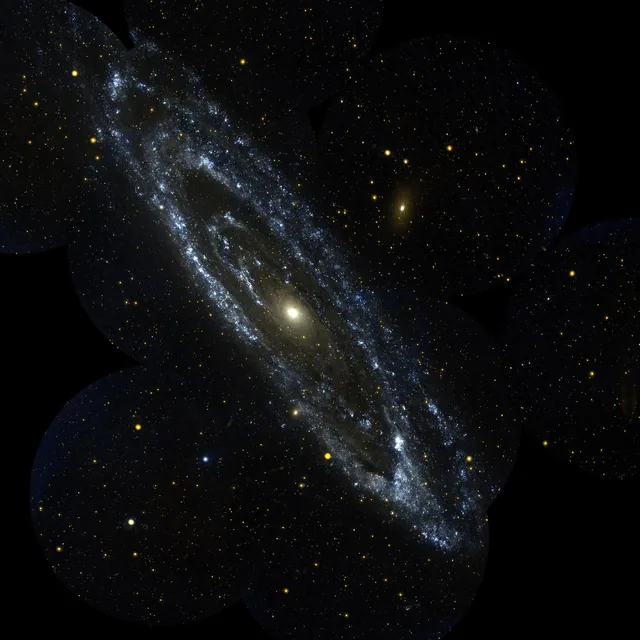
Free-text search and quick filters for galaxies, nebulae, the Moon, Earth and missions. Each card is generated from an HTML template and opens a native modal with the high-resolution image.
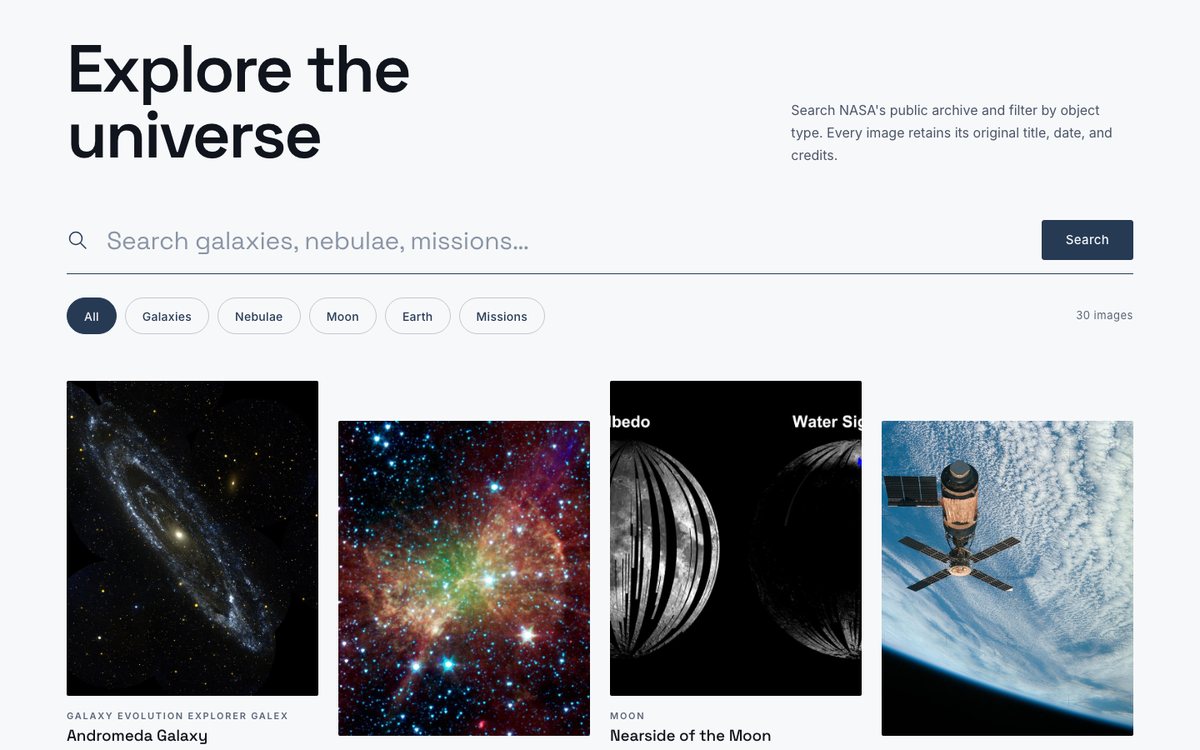
Loading skeletons, empty results and a connection error with a retry button. No wait is left blank.
A skip-to-content link, visible keyboard focus, a modal using <dialog> and support for reduced motion.
If someone searches for "galaxies" and right after for "nebulae", the first response may arrive after the second and show the wrong results.
Each search gets a number (requestId). When a response arrives, it's only shown if it's still the most recent; the others are discarded.
let requestId = 0;

async function runSearch(query) {
  const id = ++requestId;
  showState('loading');

  try {
    const items = await searchImages(query);
    // Arrived late: there's already a newer search.
    if (id !== requestId) return;

    renderCards(items, openModal);
    showState(items.length ? 'results' : 'empty');
  } catch (error) {
    if (id !== requestId) return;
    showState('error');
  }
}
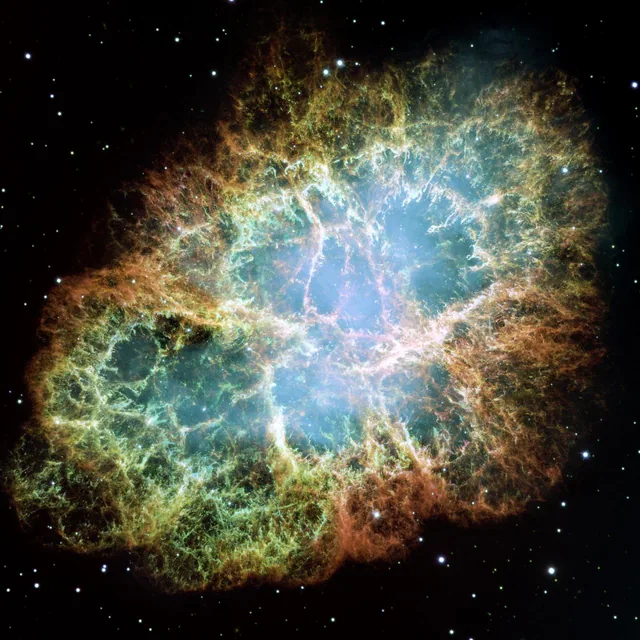

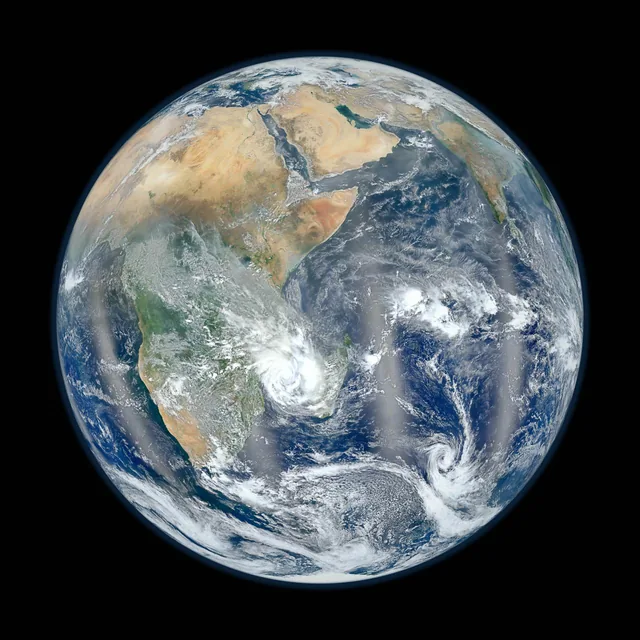
Images: NASA, JPL and GSFC. ORBIT is an independent project, not affiliated with NASA.